The AALL Conference Exhibit Hall gives attendees the chance to take a long and winding stroll thought aisles lined with vendors promoting the latest innovations and offering a “first look” at new products. It is a festival of food, swag and serendipitous encounters with old colleagues as well as the chance to meet new ones. I especially value the opportunity for a one-on-one engagement with vendors and a quick tutorial on a on a hot new product. Since the major legal vendors dominate the Exhibit Hall at AALL, it is easy to overlook the first time vendors with unfamiliar names and unknown products.

I thought it would be interesting to take a peek at the twelve new exhibitors at the 2017 Conference and provide some insights into products. This post will be written in two parts. Part one focuses on vendors offering products for litigation, corporate and IP Practice needs.
I recommend that taking a close look at each of these vendors. Even though you may have a product which covers the same legal issues you are likely to discover that each of these vendors is offering a unique type of service or analysis of an old problem. Many of these vendors are offering AI driven and custom solutions. Stop by and welcome these new exhibitors to the AALL exhibit call in Austin.

Continue Reading Guess Whose Coming to AALL?: New Exhibitors Part1: Litigation, Corporate and IP Vendors

lexMachina_logoOwen Byrd , the Chief Evangelist at Lex Machina  is really excited about the latest module of legal analytics. Byrd provided me with a preview of the new commercial litigation product. While Byrd is proud of all of the Lex Machina modules, he sees the commercial product as providing lawyers with a truly unique set of insights . According to Byrd until today there was no easy way to isolate analytics for the most common types of commercial litigation cases:”breach of contract” and “business tort.”  Sophisticated docket researchers  have been frustrated by the gaps in the federal NOS codes which frustrate the tracking and analysis of many important types of litigation.

Continue Reading Lex Machina “DeCodes” Commercial Litigation: Launches Latest Analytics Insights into Business Torts and Contract Litigation

fastcaseFastcase is announcing today that a former LexisNexis executive Steve Errick will join the company’s executive team as Chief Operating Officer.  According to the press release, Errick will be “responsible for executing the company’s strategic vision, developing new editorial products, and developing the company’s organizational structure as the company expands.”

Errick’s non-compete agreement with LexisNexis expires on June 30th and Errick will join Fastcase on July 1st. Errick most recently served as Vice President and Managing Director for Research Information for LexisNexis.  In that role, Errick oversaw the Legal Research Information Product Division, with a $1 billion P&L portfolio.  He led LexisNexis’s development of workflow tools such as Lexis for Microsoft Office, E-book Digital Lending, Total Patent, and Litigation Suite which included MedMal Navigator. Errick also shepherded LexisNexis’s acquisition of Law360, Securities Mosaic, and Sheshunoff/AS Pratt Financial Services.

Continue Reading Breaking News Exclusive: Fastcase Hires Seasoned Legal Publishing Exec — Launching New Strategy– Ready to Take on the Titans: Lexis, Westlaw and BloombergBNA

Ravel Logo New_NarrowBack in March I reported on a rumor that Ravel Law would be acquired by LexisNexis.Today LexisNexis and Ravel announced that Ravel Law is in fact being acquired by LexisNexis. Ravel Law was developed by Stamford Law grads Daniel Lewis and Nik Reed and offered a research platform which radically altered the way research results werelogo-lexisnexis delivered and displayed. They later offered a series of innovative analytics tools which provide insights into judicial precedential behavior, courts, motions and law firm litigation trends. Since Lexis acquired another legal analytics company, Lex Machina in November 2015, I was curious to learn why LexisNexis decided to acquire another product offering legal analytics. Today I posed some questions to Ravel Law co-founder Daniel Lewis and LexisNexis VP of product management, Jeff Pfeifer.

I tried to pin down Pfeifer and Lewis on the future of the Ravel Law product in the low cost legal research market. Pfeifer responded by confirming that Lexis Nexis would keep Ravel’s commitment to provide public access to the Harvard Caselaw archive on the Ravel Law platform. The press release however refers to Lexis integrating Ravel technology and designating content as “powered by Ravel Law.”

Continue Reading LexisNexis Acquires Ravel Law: A Tipping Point for Legal Analytics and the Second Wave of Legal KM

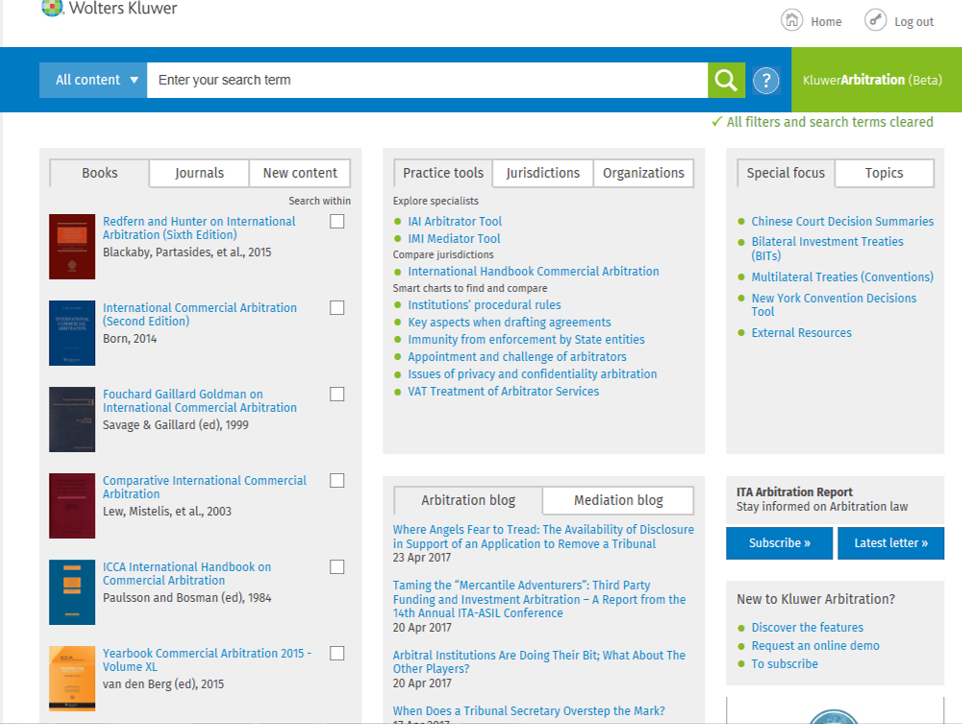
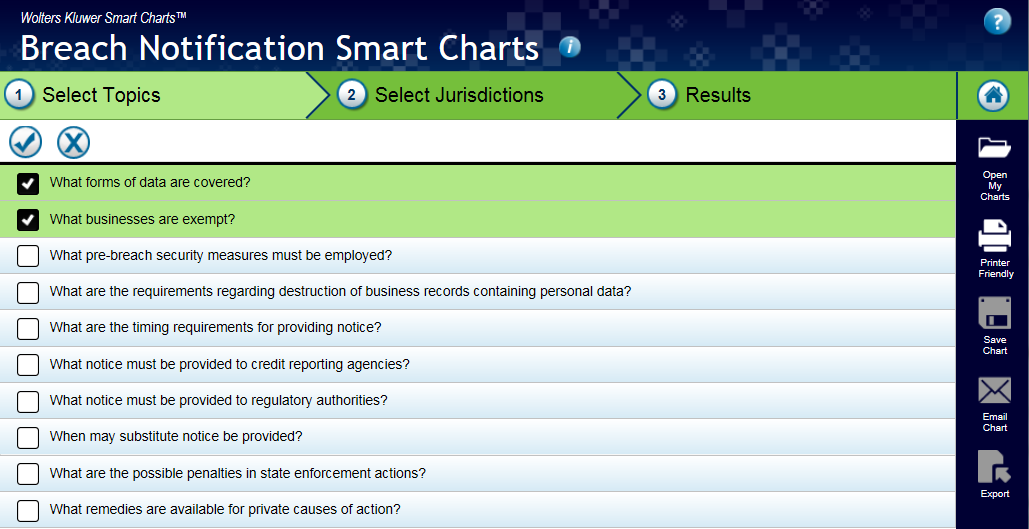
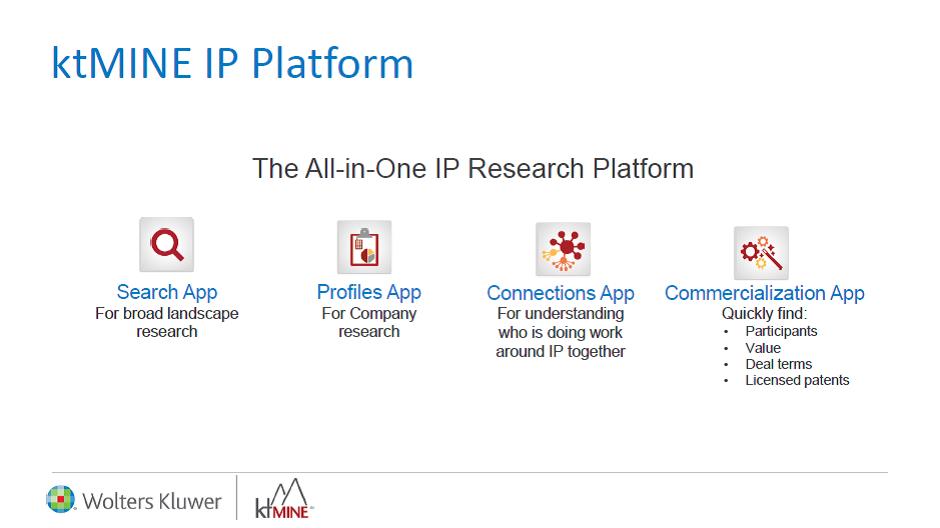
Wolters Kluwer must be offering free double espresso shots every morning to their product developers and editors. Do they even sleep these days?  Less than a month ago I wrote a post on the release of their Cybersecurity & Privacy platform … the relaunch of their  International Arbitration platform and their alliance with  IP analytics provider ktMine. Today they are announcing the release of  “Corporate SmartTasks” which follows on their May 18th  launch of a free Federal Regulatory Knowledge Center beta site.

 WKfederalcomparison
The Wolters Kluwer SmartTask Corporate Suite

Continue Reading Wolters Kluwer Leaps to the Head of the Class with “SmartTasks” Customizable Corporate Know-How and Offers a Free Federal Legislative Knowledge Center

Today LexisNexis is releasing a practice guide on federal civil practice TheWagstaffe Group Practice Guide: Federal Civil Procedure Before Trial  that will be available in three formats: print, online in Lexis Advance and eBook. (LexisNexis Digital Library.)  This multimedia guide includes over 150 video clips of two to five minutes in length. This is the first video offering from a legal publishing market that I can recall since the release of Professor Robert Berring’s Commando Legal Research series in 1989.

The LexisAdvance and Digital Library versions will be enhanced with video “mini lectures” by the author James M. Wagstaffe.  Wagstaffeformer co-author of The Rutter Group’s Federal Civil Procedure Before Trial. The press release describes the author as one of the country’s preeminent First Amendment and defamation lawyers. Wagstaffe is also, an adjunct professor in constitutional law and civil procedure at Hastings College of the Law and in Media Law at San Francisco State University and co-founder of Kerr & Wagstaffe LLP.  The press release describes the  videos  as providing “ rich, explanatory tips and practical insights … that enhance and complement the surrounding text in each chapter. “

Continue Reading Treatises Are Not Dead They Are Just Being Transformed: Lexis Launches First Video Practice Guide: Can the Gamified Treatise Be Far Behaind?

Today Ravel is launching Law Firm Analytics which  is putting them squarely into the competitive intelligence and law firm performance based litigation rankings business.

Law Firm Analytics aggregates all of a  firm’s cases  and offers  tracking, searchability, and analysis by practice area, court, judge, time period, and motion. An associate can analyze their firm’s winning cases and also access winning arguments. Firm Analytics also provides a new Ravel framework for integrating with firms’ internal document management systems, and provide results which combine of public and private content in a seamless research experience.

Firm Analytics provides rankings of firms across key variables including practice area, case volume, venue experience, and motion win rates. These leaderboards allow comparisons across substantive performance metrics, a significant innovation to traditional revenue and size rankings. As part of this launch, we are releasing rankings of the top five law firms across employment, securities, antitrust, administrative law, and bankruptcy (more below).

      Understand a firm’s litigation history by case type, venue, motion win rate, and judge
      Rank and compare firms by their case volume and motion win rate across 30+ practice areas and specific venues
      Create custom comparisons and reports using an array of variables


Ravel Law Firm Analytics


Knowledge Management
Lewis indicated that one ALM 100 law firm  has integrated Ravel with documents from their DMS. This allows lawyers to simultaneously search both internal and external documents. They are now referring to this as a Knowledge Management Framework with they can develop as a custom solution for law firms.

Law Firms Love Rankings:
Ravel Co-Founder Daniel Lewis points out that success rates in litigation are probably the better measure of a law firm value rather than profits per partner.

Rankings of Firms by Case Volumes Since 2014
Ravel’s data is created by mining millions of federal and state cases, across 30+ practice areas and 400+ top US firms. These rankings are based on activity since 2014.

Employment
Littler Mendelson
Jackson Lewis
Ogletree Deakins
Seyfarth Shaw
Morgan Lewis & Bockius

Securities
Robbins Geller Rudman & Dowd
Weil, Gotshal & Manges
Gibson Dunn
Paul, Weiss
Latham & Watkins

Antitrust
Jones Day
Kirkland & Ellis
Latham & Watkins
Skadden
Morgan Lewis & Bockius; Gibson Dunn (tied)

Administrative Law
Gibson Dunn
Perkins Coie
Arnold & Porter Kaye Scholer
Jones Day
Sidley Austin

Bankruptcy
Kirkland & Ellis
Locke Lord
Quinn Emanuel
Bryan Cave; Jones Day (tied)
Akin Gump

 Here is the Press Release

We’re excited to introduce Firm Analytics – a first of its kind platform for new competitive intelligence, performance-based firm rankings, and research into firms’ litigation activity.

With Firm Analytics, a firm’s cases are all in one place, with tracking, searchability, and analysis by practice area, court, judge, time
period, and motion. For example, an associate working on an employment law case can now quickly find the employment law cases their firm has handled previously, understand the motions involved and past win rates, and discover the arguments that worked best. Firm Analytics also provides a new Ravel framework for integrating with firms’ internal document management systems, making possible the combination of public and private material for an even more comprehensive and seamless research experience.

In another first, Firm Analytics also provides rankings of firms across key variables including practice area, case volume, venue
experience, and motion win rates. These leaderboards allow comparisons across substantive performance metrics, a significant innovation to traditional revenue and size rankings. As part of this launch, we are releasing rankings of the top five law firms across employment, securities, antitrust, administrative law, and bankruptcy (more below).

Firm Analytics was designed with our customers in mind, to help these firms win new clients, and win more business from existing clients. In addition, it offers in-house counsel unique new data and an unprecedented view into firms’ experience and performance. Its features include:

  • Understand a firm’s litigation history by case type,
    venue, motion win rate, and judge
  • Rank and compare firms by their case volume and motion
    win rate across 30+ practice areas and specific venues
  • Create custom comparisons and reports using an array of
    variables

Powered by our cutting-edge machine learning technology and exclusive caselaw collection from Harvard Law School, Firm Analytics is now our fourth major launch in the past year – following the highly successful introductions of Judge Analytics 2.0, Court Analytics, and Motion Analytics – and represents a new product offering that continues to expand beyond traditional research.

In developing Firm Analytics, we worked closely with our customers and Advisory Board, and we want to thank the members of that board: Jean O’Grady (DLA Piper), Steve Lastres (Debevoise), Marlene Gebauer (Greenberg Traurig), and Patricia Barbone (Hughes Hubbard). These leaders helped us understand the importance of great competitive intelligence and focused us on the highest value features and use cases.

Rankings of Firms by Case Volumes Since 2014
Ravel’s data is created by mining millions of federal and state cases, across 30+ practice areas and 400+ top US firms. These rankings are based on activity since 2014.

Employment
Littler Mendelson
Jackson Lewis
Ogletree Deakins
Seyfarth Shaw
Morgan Lewis & Bockius

Securities
Robbins Geller Rudman & Dowd
Weil, Gotshal & Manges
Gibson Dunn
Paul, Weiss
Latham & Watkins

Antitrust
Jones Day
Kirkland & Ellis
Latham & Watkins
Skadden
Morgan Lewis & Bockius; Gibson Dunn (tied)

Administrative Law
Gibson Dunn
Perkins Coie
Arnold & Porter Kaye Scholer
Jones Day
Sidley Austin

Bankruptcy
Kirkland & Ellis
Locke Lord
Quinn Emanuel
Bryan Cave; Jones Day (tied)
Akin Gump

Today LexisNexis is releasing a treatise on federal civil practice The Wagstaffe Group Practice Guide: Federal Civil Procedure Before Trial  that will be available in three formats: print, online in Lexis Advance and eBook. (LexisNexis Digital Library.)  This multimedia guide includes over 150 video
clips of two to five minutes in length. This is the first video offering from a legal publishing market that I can recall since the release of Professor Robert
Berring’s Commando Legal Research series in 1989.


The LexisAdvance and Digital Library versions will be enhanced with video “mini lectures” by the author James M. Wagstaffe. Wagstaffe former co-author of The Rutter Group’s Federal Civil Procedure Before Trial. The press release describes the author as one of the country’s preeminent First Amendment and defamation lawyers. Wagstaffe is also, an adjunct professor in constitutional law and civil procedure at Hastings College of the Law and in Media Law at San Francisco State University and co-founder of Kerr & Wagstaffe LLP.  The press release describes the videos as providing “rich, explanatory tips and practical insights … that enhance and complement the surrounding text in each chapter.”

Here are links to two sample clips:


Sample Practice Tips/Strategic Points

  • Citizenship Rules for Diversity Strategic Tips for Plaintiff and Defendant Removal
  • Analyzing Personal Jurisdiction – Objective and Strategy for Plaintiffs/Defendants
  • Analyzing Personal Jurisdiction – Strategic Points for Plaintiffs/Defendants
  • Motions to Dismiss Options and Strategies 
  • Motions to Dismiss for Failure  – Strategic Point — Plaintiff/Defendant to State Claim

According to Lexis this product will not compete directly with the iconic Moores Federal Practice. Since this product is more focused on practice efficiency it appears to be positioned more in the LexisNexis Practice Advisor/Thomson Reuters Practical Law space.

Will Video Morph in Video Gaming

Sean Fitzpatrick, Managing Director of North American Research Solutions at LexisNexis is quoted in the press release describes how the product is positioned: “With its release and the addition of embedded video content directly within the legal research tools our customers use most, we’re bringing practical guidance to life. Not only are we providing the smartest and most relevant content to the market, but we are doing so in a manner that addresses the changing needs of our customers.”

I can’t help but think that we already have a generation of lawyer who’s hand itch for a game controller when they hear the word “video.” I think it is time to think outside the traditional treastise. I assume that video is only the beginning. I could see gamification having a place in litigation strategy. As I always say, Lexis has bought so many amazing assets, I can help but mediated on amazing mash-ups. Imagine Professor Wagstaffe illustrating a winning motion strategy and then enhancing it with an interactive comparative outcome chart from Lex Machina.

Access: The Wagstaffe Group Practice Guide: Federal Civil Procedure Before Trial formats: print, online in Lexis Advance and eBook, but will require a separate subscription.

Law firms have begun receiving class action notices inviting them to join a class action alleging that the Pacer (Public Access to Court Electronic Records) system has been overcharging for online access to federal court dockets and documents. In April 2016, The Administrative Office of the U.S. Courts which oversees the PACER system was sued by three nonprofits: National Veterans Legal Services Program, the National Consumer Law Center and the Alliance for Justice.  The complaint alleges that the government has violated the E-Government Act of 2002 – which permits the federal judiciary to charge for PACER “only to the extent necessary.” Apparently someone stretched the definition of “necessary” to include flat screen TVs and audio systems. PACER charges 10 cents a page up to $3.00 per court record. In a large law firm with thousands of lawyers PACER fees can exceed hundreds of thousands of dollars per year and over six years – some firms could have paid over $1 million for PACER documents– not exactly “chump change”. It is yet to be determined what percentage of those charges would  considered excessive should the Plaintiffs prevail in this suit.


Not Just for Non Profits
Back in January U.S. District Judge Ellen Huvelle in the District of Columbia granted certification of a class comprised of anyone who paid PACER fees during the six years before April 21, 2016 (but excluding class counsel in this case and federal government entities.) The Pacer Class Action Page is located here.The Class Notice is located here.

The Paradox of PACER.
For research nerds like me the complaint provides an interesting recap of the evolution or PACER. To anyone who uses PACER they will be appalled to hear that there were excess funds that were not applied to improving the PACER system itself –but were redirected to other uses. PACER is a monument to the best technology of the 1980’s. It is a primitive system by 21st Century standards…. and yet it harbors  veins of data which commercial enterprises are mining to use  as the core building blocks of historical and predictive analytics. I welcome the innovators Lex Machina, PacerPro, Ravel Law, Bloomberg, Thomson Reuters, Lexis Nexis, Docket Alarm, Justly come to mind… would be nice if they could donate some 21st Century technology and algorithms to the “mother of all docket systems” so that it can better serve its main constituency — the American public.